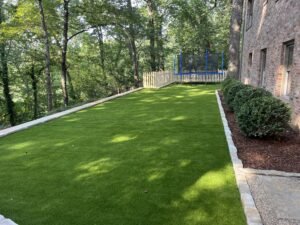
Sarah spent her spring budget on new flower beds, sod, and a stone walkway. Two weeks later, a heavy rainstorm turned her backyard into a shallow pond. She hadn’t made a landscaping mistake — the ground underneath simply wasn’t ready.
This is one of the most common, and avoidable, mistakes homeowners make. Before any landscaping begins, a yard needs proper land grading. Skipping it is like painting over cracks in a wall: it looks fine at first, but the real problem always resurfaces.
What Is Land Grading?
Land grading reshapes the slope of your yard so water flows away from your home instead of pooling against it. A grading contractor raises low spots, levels uneven ground, and creates a consistent slope across the property.
Get the slope wrong by even an inch, and water will find the lowest point every time. That’s why residential land grading usually calls for real site preparation experience, not just a shovel.
Why Proper Land Grading Matters Before Landscaping
Good drainage is engineered, not accidental. Correctly graded yards move water runoff away from the house, garden beds, and patios instead of letting it collect.
Standing water near a foundation can cause cracks and basement leaks over time. Grading also prevents soil erosion, which strips away the topsoil new plants need to survive.
There’s a financial side too. Landscaping installed over poorly graded ground often fails early — sod dies, mulch washes out, pavers shift — meaning you pay twice. Well-graded yards also tend to hold property value better.
7 Signs You Need Professional Land Grading Before Landscaping
1. Standing Water After Rain Puddles that linger for a day or more usually mean a low spot or lack of slope. A grading contractor reshapes the area so water moves through instead of sitting still.
2. Uneven Ground Across the Yard Bumpy ground often signals shifting soil or old, poorly done fill work. It also prevents patios, walkways, and other hardscaping features from staying level. Grading evens the surface before that work begins.
3. Soil Erosion Is Getting Worse Bare patches or channels cut into the dirt after storms point to active erosion. Slope correction redirects water flow so it stops carving up your yard.
4. Water Is Pooling Near the Foundation This is one of the more serious signs here. Water against a foundation can seep into the basement over repeated freeze-thaw cycles. Foundation protection starts with grading soil away from the house on all sides.
5. Landscaping Projects Keep Failing Replacing sod or resetting pavers more than once in the same spot points to a ground problem. No landscaping holds up long-term without proper site preparation underneath it.
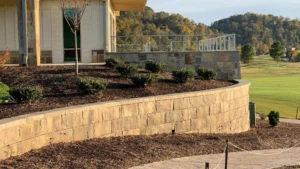
6. Retaining Walls Are Shifting or Leaning Walls rely on correctly graded soil and drainage behind them. Leaning or bulging usually means water pressure has built up. Regrading the slope solves the root cause.
7. Drainage Problems Continue Despite DIY Fixes French drains and extended downspouts can offer short-term relief. If poor drainage keeps returning, the yard’s actual slope is the problem, and only professional grading services fix that directly.
Why Hiring a Professional Grading Contractor Is Worth It
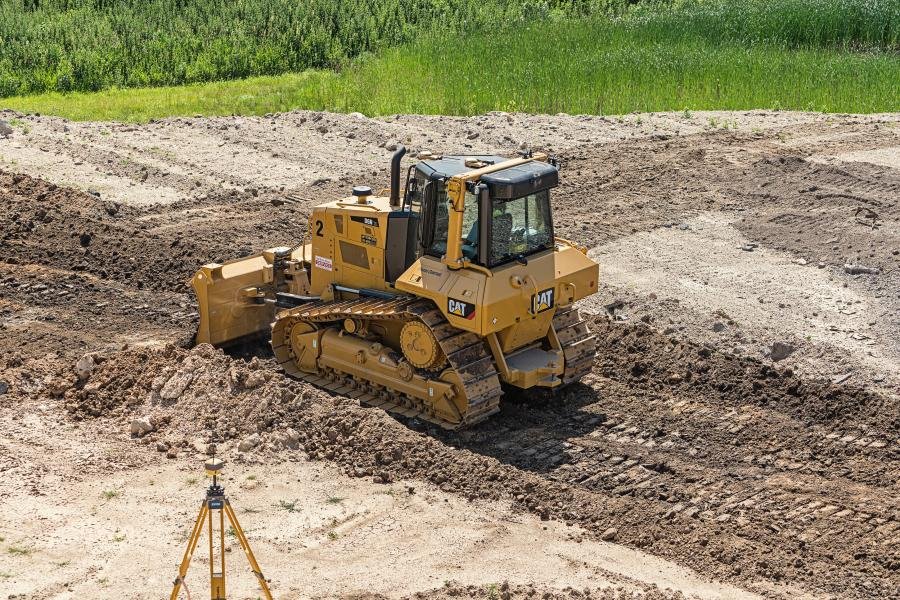
Grading looks simple from the outside, but it involves reading how water moves across a property and using heavy equipment with precision. A professional catches problems homeowners often miss until after landscaping is installed.
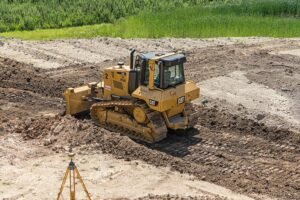
Skid steers, laser levels, and compaction tools let a contractor grade accurately in a fraction of the time rented tools would take. That precision means fewer expensive drainage repairs later. Land grading services also typically include a drainage plan tailored to your property’s slope and soil.
Frequently Asked Questions
1. What is land grading and why is it important before landscaping?
It reshapes your yard’s slope so water flows away from your home. It matters because plants and hardscaping installed over poorly graded ground often fail early from pooling water or erosion.
2. How can I tell if my yard needs professional land grading?
Watch for standing water after rain, uneven ground, worsening erosion, or landscaping that keeps failing in the same spots. Water near the foundation is another strong sign.
3. Can land grading solve drainage problems in my yard?
Usually yes. Since poor drainage is often caused by incorrect slope, regrading addresses the root cause rather than just managing symptoms.
4. What’s the difference between land grading and land leveling?
Grading creates an intentional slope for drainage, while leveling flattens an area completely for patios or decks. Most yards need a mix of both.
5. How much does professional land grading typically cost?
Costs vary by yard size and soil conditions, often ranging from a few hundred to several thousand dollars. A contractor can give an accurate estimate after assessing your property.