Designing a high-performing outdoor space requires more than choosing plants or installing a patio. The most successful landscapes are built on a strategic balance between structure and nature. If you’re exploring hardscaping vs softscaping for your Birmingham AL property, understanding how these elements work together is essential for creating a functional, visually cohesive environment.
This guide breaks down the differences, benefits, and how to combine both effectively for long-term results in Birmingham’s climate.
What Is Hardscaping vs. Softscaping?
At its core, landscape design is divided into two primary components:
- Hardscaping refers to the non-living, structural elements of your outdoor space
- Softscaping includes all living components like plants, grass, and trees
A well-designed landscape integrates both seamlessly. Through professional landscape design, these elements are planned together, rather than separately, to ensure balance, usability, and durability.
Understanding Hardscaping: Structure and Function
Hardscaping forms the foundation of your outdoor space. It defines layout, improves accessibility, and supports long-term durability.
Common hardscaping features include:
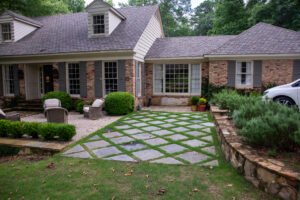
- Patios and walkways
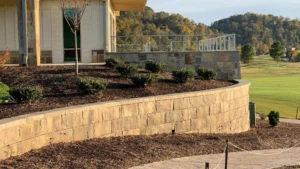
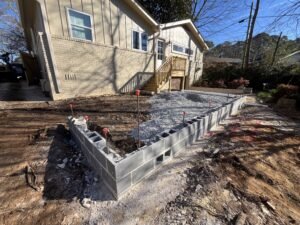
- Retaining walls
- Driveways and stone paths
- Decks and seating areas
Strategically implemented hardscaping creates structure within your yard, helping to manage elevation changes, improve drainage, and establish clear zones for different uses.
In Birmingham, where soil movement and rainfall can impact outdoor spaces, hardscaping also plays a key role in stabilizing the environment.
Understanding Softscaping: Living Design Elements
Softscaping brings life, movement, and seasonal variation into your landscape. It includes:
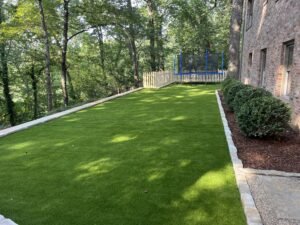
- Grass and turf
- Trees and shrubs
- Flower beds and gardens
- Ground cover and natural textures
Softscaping is what gives your yard its organic feel. It contributes to outdoor aesthetics, enhances curb appeal, and helps regulate temperature through shade and moisture retention.
In garden planning, selecting climate-appropriate plants is critical for ensuring long-term health and minimizing maintenance.
Why Balance Matters in Birmingham Landscapes
A common mistake in landscape design is over-prioritizing one element over the other. Too much hardscaping can make a space feel rigid and uninviting, while too much softscaping can lead to maintenance challenges and lack of structure.
Balancing both ensures:
- Visual harmony between built and natural elements
- Functional outdoor spaces that are easy to navigate
- Reduced maintenance through smart material use
- Improved drainage and environmental performance
This balance is especially important in Birmingham, where weather conditions require both durability and adaptability.
Designing Functional Outdoor Spaces
Hardscaping and softscaping work together to create defined outdoor environments. For example, a patio provides structure, while surrounding plants soften the edges and enhance the overall outdoor experience.
In Birmingham , professionally designed outdoor living spaces often combine:
- Hard surfaces for seating and movement
- Greenery for comfort and aesthetics
- Shade elements for usability in hot weather
The result is a space that is not only attractive, but also practical for daily use.
Climate Considerations for Alabama Landscapes
When planning your landscape, Birmingham’s environmental conditions should guide your decisions.
Hardscaping considerations:
- Use materials that withstand heat and moisture
- Ensure proper drainage to handle rainfall
- Incorporate permeable surfaces where possible
Softscaping considerations:
- Choose native or drought-tolerant plants
- Plan for seasonal changes in color and growth
- Use shade trees to reduce heat exposure
These decisions align with broader landscape design elements that Alabama homeowners need to consider for long-term success.
Cost and Maintenance Comparison
Understanding the cost and maintenance implications helps determine the right balance for your property.
Hardscaping:
- Higher upfront cost
- Low long-term maintenance
- Long lifespan
Softscaping:
- Lower initial investment
- Ongoing maintenance (watering, trimming, fertilizing)
- Seasonal variability
A balanced design reduces overall maintenance while maintaining a natural, inviting appearance.
How to Achieve the Right Balance
To create a cohesive landscape, start with a clear plan that integrates both elements from the beginning.
Key steps include:
- Define how you want to use your outdoor space.
- Establish structural zones using hardscaping.
- Layer in plants to soften and enhance the design.
- Ensure proper grading and drainage.
- Maintain consistency in materials and plant selection.
Working with professionals like FARE Outdoor Construction ensures every element is aligned with your goals and site conditions. Reach out today for a free consultation for your next outdoor living project!