Before any successful outdoor project begins—whether it’s a new home build, driveway, or landscape transformation—there’s one critical phase that determines everything that follows: site preparation. If you’re planning a project that requires excavation in Birmingham AL, understanding the full scope of excavation and lot clearing will help you avoid costly issues and ensure long-term performance.
This guide breaks down what excavation and lot clearing actually involve, why they matter in Birmingham’s conditions, and how to approach your project the right way.
What Is Excavation and Lot Clearing?
Excavation and lot clearing are foundational steps in preparing land for construction or landscaping. While often grouped together, they serve different purposes:
- Lot clearing focuses on removing trees, brush, debris, and obstacles
- Excavation involves moving earth to create the correct elevations and foundation base
These processes are part of a broader strategy known as site “preparation,” which ensures the land is structurally ready for development.
Why Site Preparation Matters in Birmingham, AL
Birmingham’s soil composition, rainfall patterns, and terrain variations make proper preparation essential. Skipping or rushing this phase can lead to:
- Drainage problems and water pooling
- Soil instability and foundation shifting
- Erosion during heavy rainfall
- Increased long-term maintenance costs
A properly executed plan—often coordinated through professional landscape design—ensures your project starts on a stable, well-prepared base.
Step 1: Lot Clearing – Creating a Clean Slate
Lot clearing is the first step in transforming raw or overgrown land into a usable space. It involves removing anything that could interfere with construction or design, including:
- Trees, stumps, and dense vegetation
- Rocks, roots, and debris
- Existing structures or unwanted materials
Effective lot clearing in Birmingham goes beyond simple removal. It ensures the site is cleared strategically without disturbing soil integrity or causing unnecessary damage to surrounding areas.
Step 2: Excavation – Shaping the Land
Once the site is cleared, excavation begins. This phase is about reshaping the land to meet the requirements of your project.
Excavation services typically include:
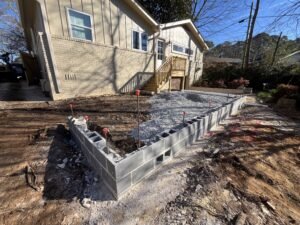
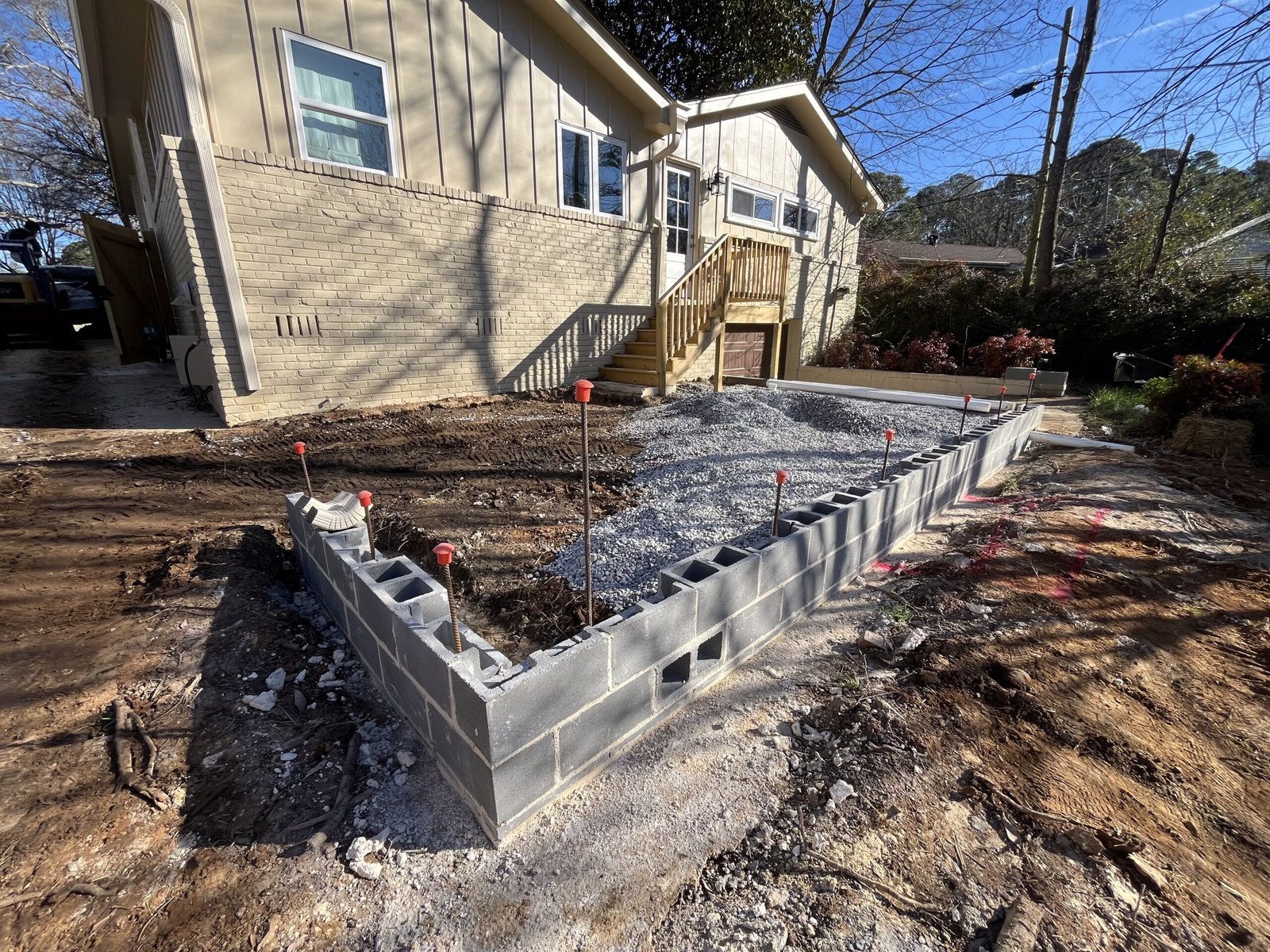
- Digging for foundations, footings, or utilities
- Adjusting elevation levels
- Creating space for driveways, patios, or drainage systems
Proper excavation ensures that every element built on top of the land is supported by a stable and correctly structured base.
Step 3: Land Grading – Controlling Water and Stability
Grading is one of the most critical parts of site preparation. It determines how water flows across your property and directly impacts durability.
With land grading, contractors shape the land to:
- Direct water away from structures
- Prevent pooling and erosion
- Create a level or intentionally sloped surface
In Birmingham’s naturally hilly climate, where heavy rain can occur, grading is essential for protecting both structures and landscaping features.
How Excavation Supports Outdoor Living and Hardscaping
Excavation isn’t just for large construction projects. It also plays a key role in residential outdoor upgrades as well, including:
- Building patios or walkways requires proper ground preparation
- Installing retaining walls depends on stable excavation
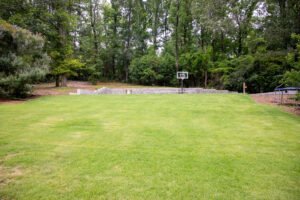
- Creating functional yards often involves reshaping uneven terrain
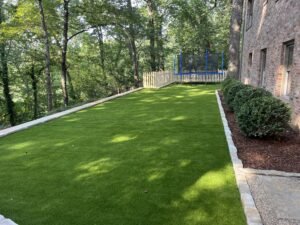
Projects involving hardscaping and creating beautiful outdoor living spaces rely heavily on accurate excavation and grading to ensure long-term performance.
Equipment and Techniques Used in Excavation
Modern excavation uses specialized equipment to deliver precision and efficiency. Common tools include:
- Excavators for digging and trenching
- Bulldozers for grading and leveling
- Skid steers for maneuvering in tight spaces
- Dump trucks for debris removal
The right combination of equipment ensures the project is completed safely, efficiently, and according to plan.
Common Challenges in Birmingham Projects
Every site is different, and Birmingham properties often present unique challenges, including:
- Uneven terrain or sloped lots
- Clay-heavy soil that affects drainage
- Tree-dense areas requiring careful clearing
- Limited access for equipment
Working with experienced professionals helps identify and address these challenges before they become costly problems.
How to Plan Your Excavation Project
A successful excavation project starts with proper planning. Before work begins, it’s important to:
- Evaluate the site conditions and soil type
- Identify drainage patterns and potential issues
- Define the scope of clearing and excavation needed
- Coordinate with professionals for design and execution
Partnering with experts like FARE Outdoor Construction ensures that every stage, from clearing to grading, is handled with precision and aligned with your overall project goals.