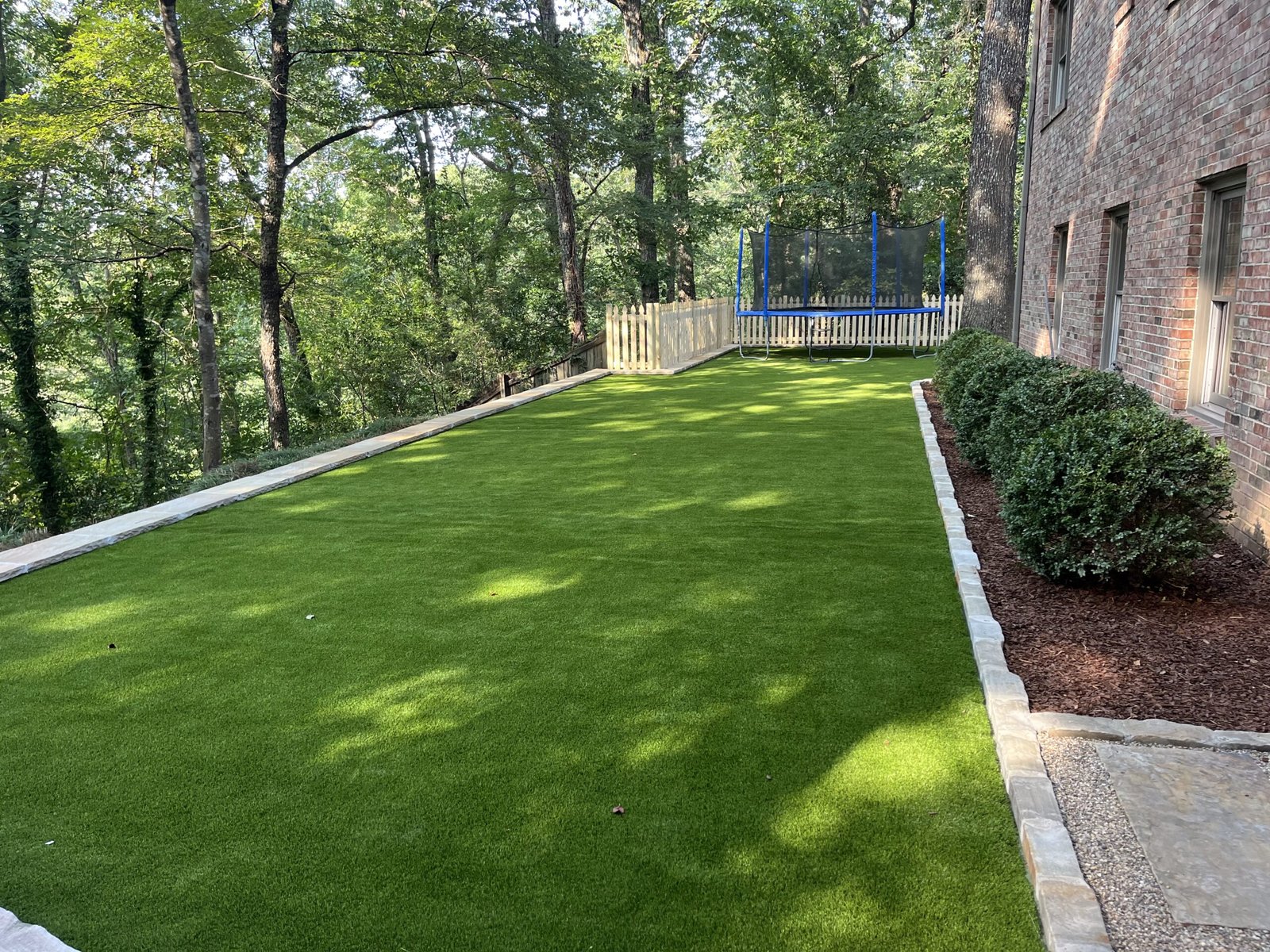
Choosing between artificial turf and natural grass is one of the most important decisions homeowners make when upgrading their outdoor space. If you’re considering artificial turf installation in Birmingham AL, understanding the long-term performance, cost, and maintenance differences is critical, especially in a Central Alabama climate.
This guide breaks down both options with a data-driven perspective so you can make the right investment for your property.
Understanding the Core Difference
Natural grass is a living system that requires consistent care, including watering, mowing, fertilizing, and seasonal adjustments. Artificial turf, on the other hand, is a manufactured surface designed to replicate the look of grass while eliminating ongoing maintenance.
For homeowners exploring synthetic grass in the Birmingham area, the appeal often comes down to predictability and reduced upkeep. However, the decision should be based on more than convenience. It should also align with your usage, budget, and long-term goals.
Performance in Birmingham’s Climate
Birmingham’s weather plays a major role in how both surfaces perform. Hot summers, humidity, and periodic heavy rain can impact lawn health and usability.
Natural grass:
- Can struggle with heat stress and patchiness during peak summer
- Requires irrigation to maintain color and density
- May develop mud and drainage issues after rainfall
Artificial turf:
- Maintains consistent appearance year-round
- Drains efficiently with proper installation
- Withstands heavy use without deterioration
When installed correctly, artificial turf systems are engineered with drainage layers that perform reliably even in challenging conditions.
Maintenance Requirements and Cost Over Time
One of the biggest differences between turf and grass is long-term maintenance.
Natural grass requires:
- Weekly mowing during growing seasons
- Fertilization and weed control treatments
- Irrigation systems and water usage
- Seasonal repairs and reseeding
Artificial turf significantly reduces ongoing costs. While the upfront investment is higher, maintenance is minimal, typically limited to occasional cleaning and brushing.
For homeowners seeking a low-maintenance lawn in the metro Birmingham area, artificial turf offers predictable long-term savings by eliminating recurring service costs and water bills.
Environmental Impact Considerations
The environmental conversation around turf vs. grass is nuanced and often misunderstood.
Natural grass:
- Absorbs carbon and supports soil health
- Requires significant water and chemical inputs
- Can contribute to runoff from fertilizers and pesticides
Artificial turf:
- Eliminates water usage for irrigation
- Reduces chemical treatments
- Has a manufacturing footprint, but long lifespan
In Birmingham, where water conservation and efficiency matter, turf is increasingly considered part of eco-friendly landscaping efforts, especially when paired with sustainable design practices.
Aesthetic and Functional Value
Both options can deliver strong visual appeal, but their performance differs based on how the space is used.
Natural grass provides a traditional, organic look that many homeowners prefer. However, it can become inconsistent due to wear, weather, and maintenance gaps.
Artificial turf offers:
- Uniform color and texture year-round
- High durability for pets, kids, and frequent use
- Clean, mud-free surfaces
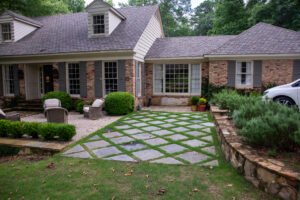
For outdoor living areas, artificial turf often performs better due to its ability to maintain a polished appearance under constant use.
Installation and Upfront Investment
Artificial turf requires a more complex installation process compared to laying sod or seeding grass. Proper base preparation, drainage systems, and material quality all impact performance.
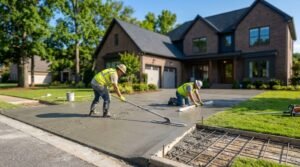
A professional hardscaping approach is often combined with turf installation to ensure structural integrity, especially when integrating patios, walkways, or multi-use outdoor areas.
While natural grass has a lower initial cost, ongoing expenses over time often narrow the gap or exceed the total cost of turf installation.
When Artificial Turf Is the Better Choice
Artificial turf is ideal for homeowners who:
- Want a consistently clean and polished yard
- Have high-traffic outdoor areas
- Prefer minimal maintenance and predictable costs
- Struggle with lawn growth due to shade or soil conditions
It is particularly effective in urban or high-use residential settings where durability matters more than natural growth cycles.
When Natural Grass Makes More Sense
Natural grass may still be the better option if you:
- Prefer a fully organic and living landscape
- Enjoy maintaining and caring for your lawn
- Have the time and resources for regular upkeep
- Want to prioritize traditional landscaping aesthetics
For some homeowners, the experience of natural grass outweighs the maintenance demands.
Making the Right Decision for Your Property
There is no one-size-fits-all answer. The best choice depends on how you use your space, your tolerance for maintenance, and your long-term investment goals.
Working with professionals like FARE Outdoor Construction ensures your decision is based on a full evaluation of your property, including soil conditions, drainage, and design integration. A strategic approach helps you avoid costly mistakes and ensures your outdoor space performs exactly as intended.